

-
 View More
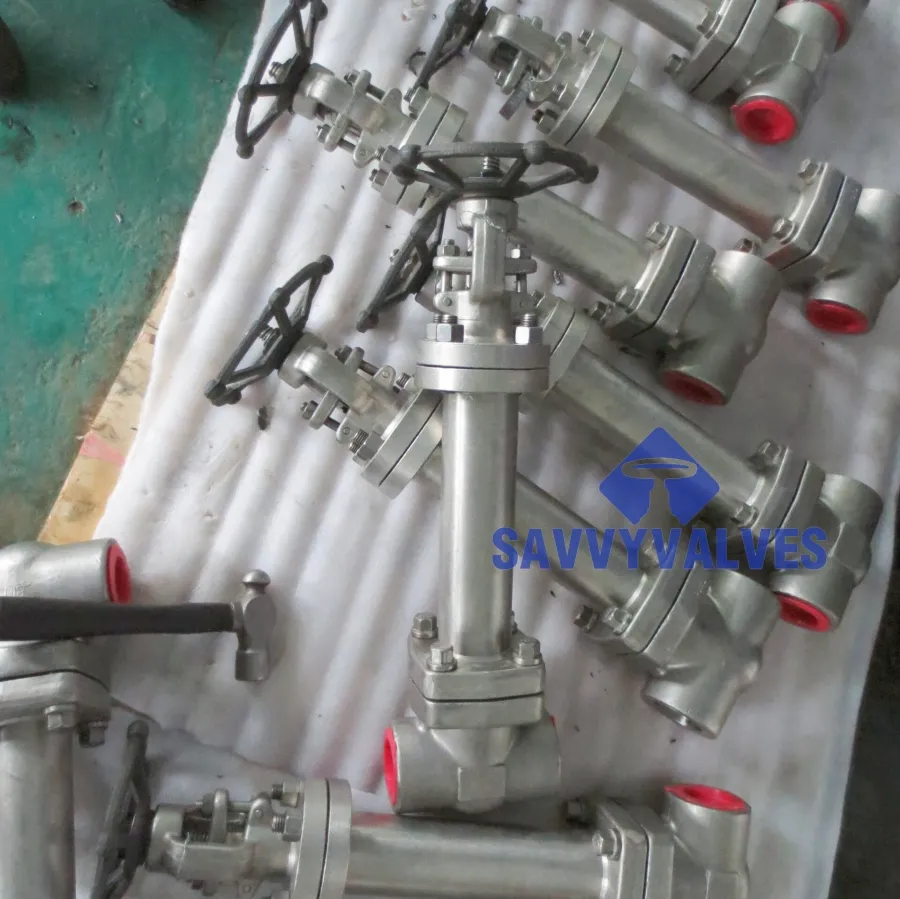
Understanding Non-Slam Axial Check Valves: Industry Trends and Technological Evolution The global industrial landscape, especially sectors like oil & gas, petrochemicals, power generation, and water treatment, continuously demands highly reliable and efficient flow control solutions. Among these, the non slam axial check valve stands out as a critical component. Its design specifically addresses c
-
 View More
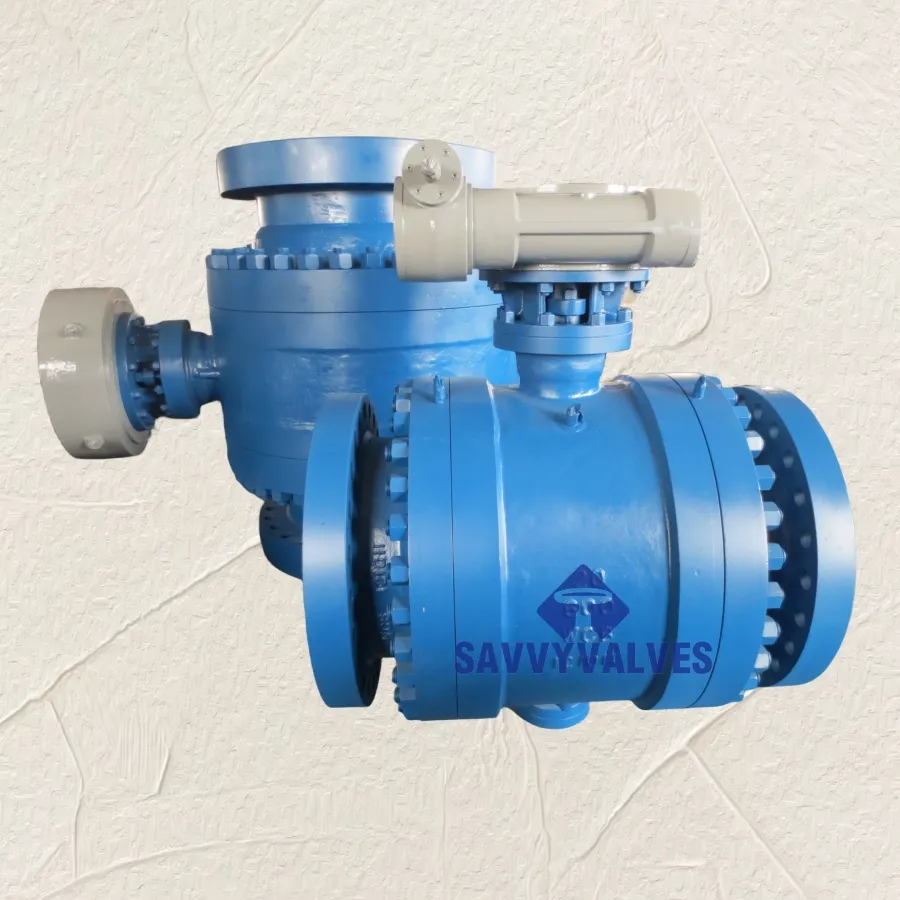
In the modern industrial world, the role of a pressure control valve manufacturer has become increasingly vital. Pressure control valves are essential components in ensuring the safe and efficient operation of various fluid systems, including water, oil, steam, and gas pipelines. They help maintain consistent pressure levels, preventing overloading or sudden surges that could damage equipment or i
-
 View More
Introduction to High-Performance Check Valves In critical industrial applications, the reliability and integrity of fluid control systems are paramount. Components must withstand extreme conditions, including high pressure, corrosive media, and fluctuating temperatures, while ensuring unidirectional flow and preventing backflow. The 2500LB LTCS Forged Steel Swing Check Valve stands as a testament
-
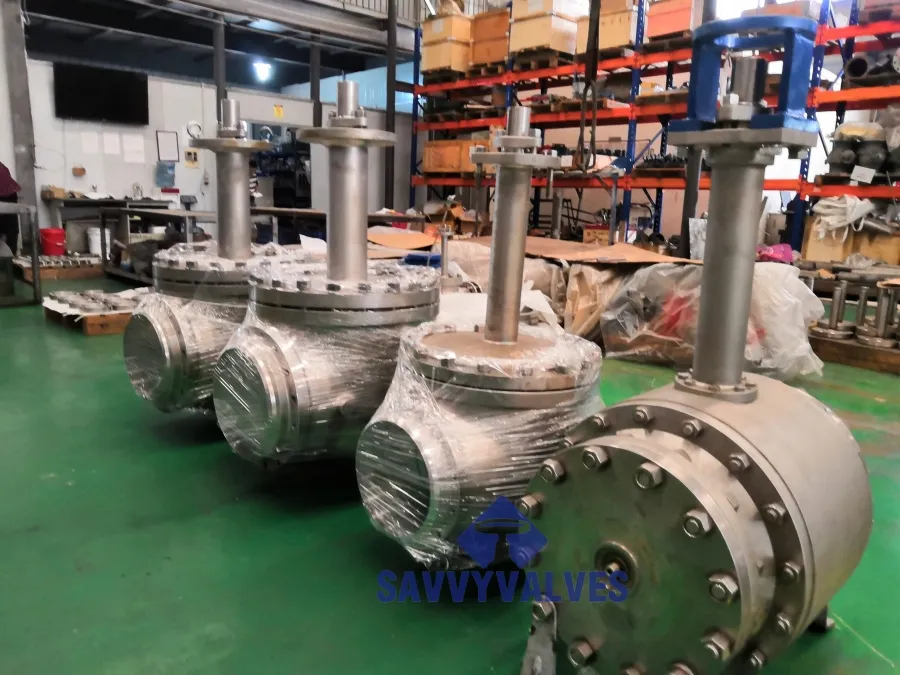
When it comes to robust and reliable flow control in industrial applications, the flanged ball valve stands out as an indispensable component. Designed for high performance and durability, these valves offer exceptional sealing capabilities and ease of operation, making them a preferred choice across various sectors. Whether you're dealing with liquids, gases, or slurries, our range of flanged bal
-
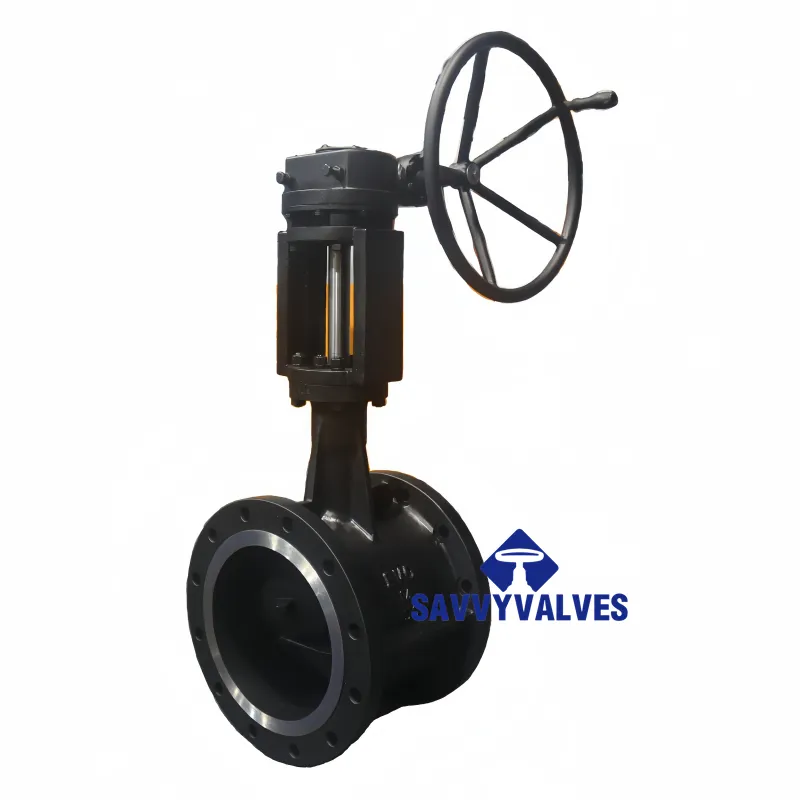
In industrial pipeline systems, proper installation of swing check non return valve , swing check type non return valve , and vertical swing check valve is crucial to ensure their functionality, prevent leaks, and avoid safety hazards. SAVVY VALVES CO.,LTD. provides high-quality vertical swing check valves with a wide range of material options, and understanding the safety precautions during insta
-
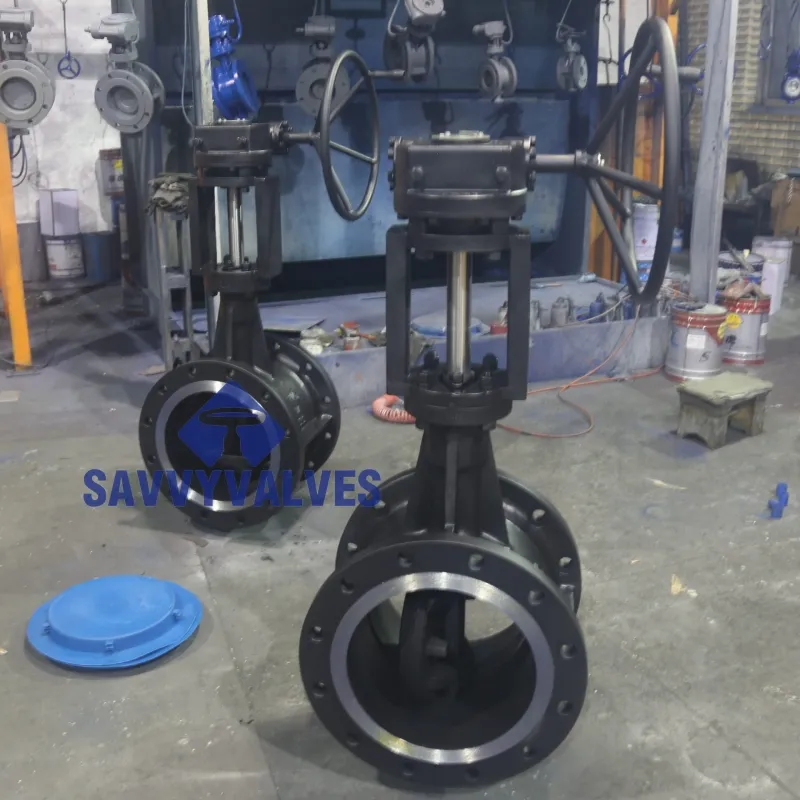
Cryo check valve —a critical component of cryogenic valves solutions, alongside cryo ball valve models—plays a vital role in preventing backflow in low-temperature industries like LNG (liquefied natural gas), cryogenic storage, and aerospace. Unlike standard check valves, cryo check valve operates in extreme cold (often -196°C for LNG), making installation orientation non-negotiable—incorrect posi
-
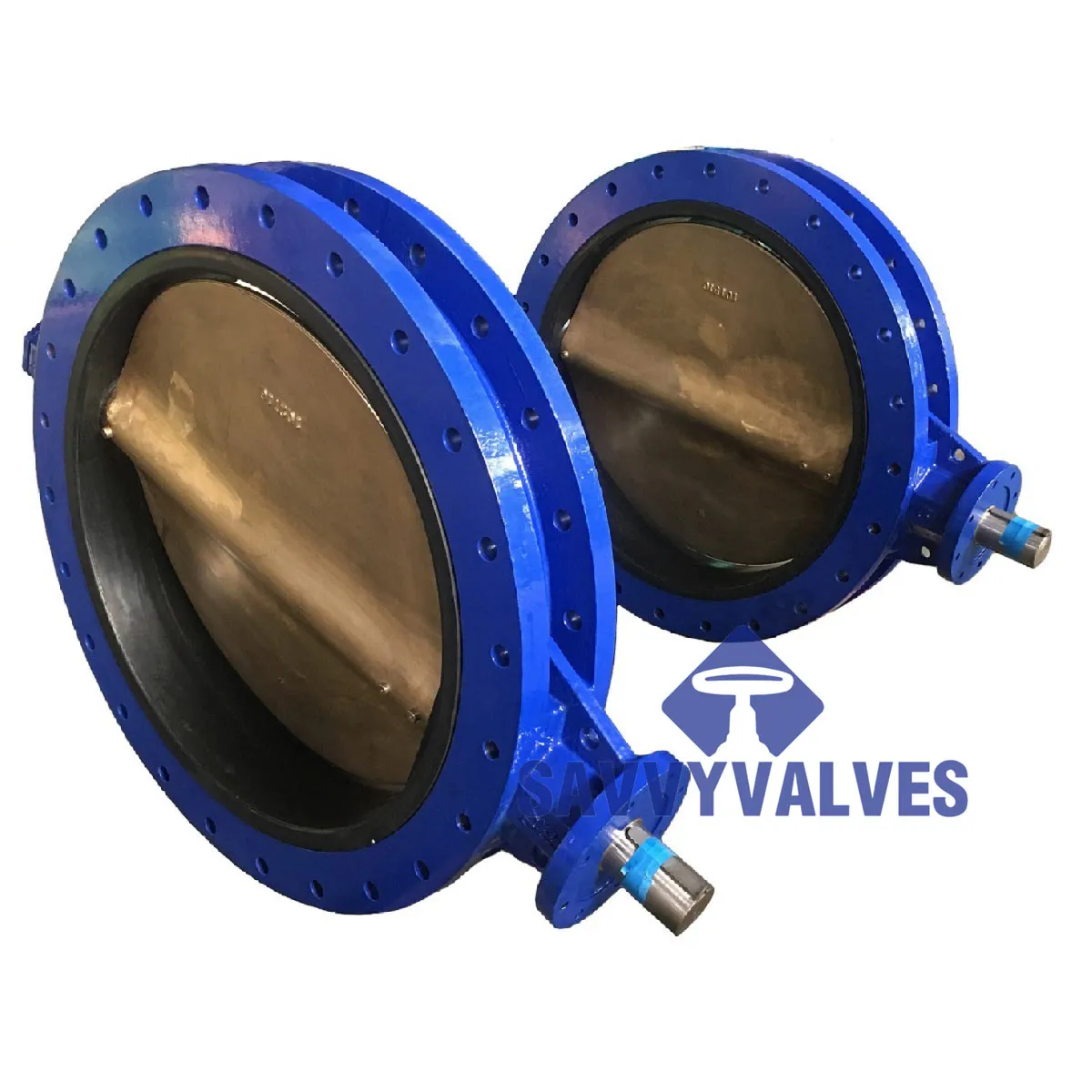
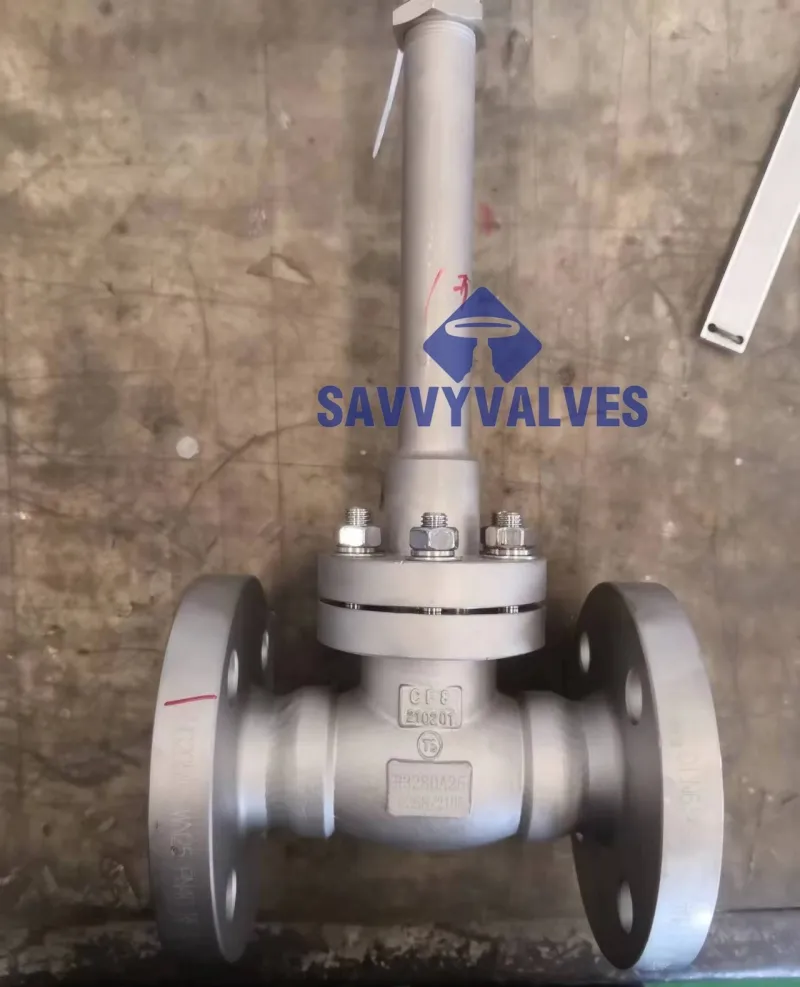 Marine U Section Double Flange Butterfly Valve-SAVVY VALVES_Durable Precision Engineering&Indust2026-04-02 17:25The Marine U Section Double Flange Butterfly Valve is a critical component in industrial fluid contr
 -
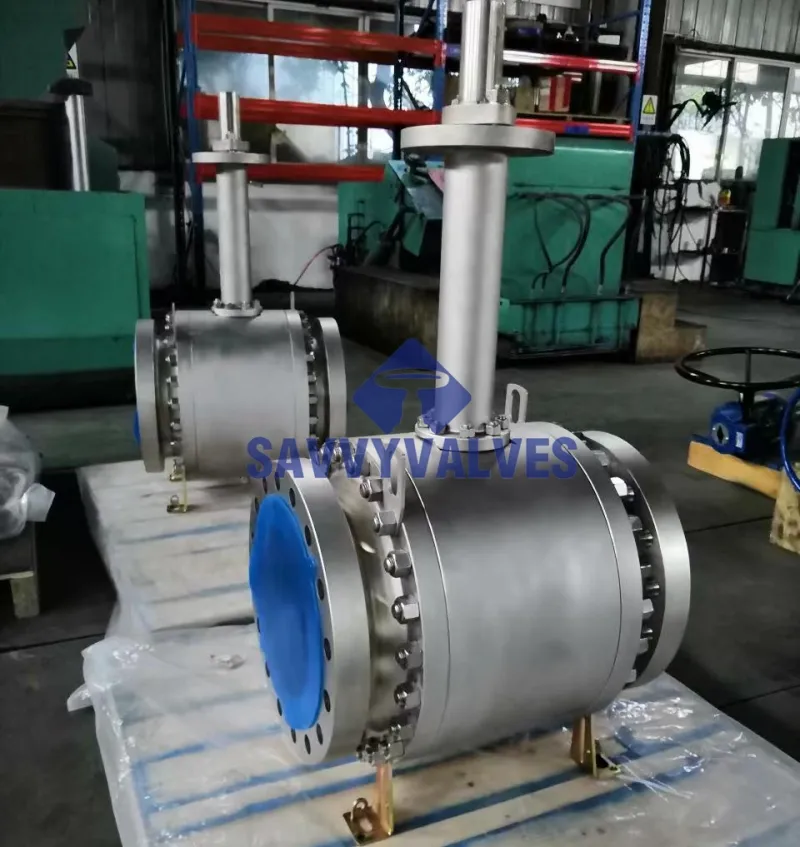 Marine U-Section Double Flange Butterfly Valve-SAUVVY VALVES CO., LTD._Advanced Engineering&Indu2026-04-02 17:04The Marine U-Section Double Flange Butterfly Valve represents a pinnacle of engineering innovation,
 -
 Detailed Introduction To Butterfly Valves2026-04-02 15:45A butterfly valve is a quarter-turn rotational motion valve that controls fluid flow by rotating a d


The diaphragm valve is a highly versatile valve type widely used in fluid control systems across many industries, including pharmaceuticals, food and beverage, water treatment, and chemical processing. Unlike traditional valves that use a gate or ball mechanism, diaphragm valves utilize a flexible diaphragm that moves up and down to regulate flow, providing excellent sealing and minimal contamination risk. One of the standout features of a diaphragm valve is its ability to handle corrosive and abrasive fluids with ease. The diaphragm acts as a barrier between the fluid and the valve’s moving parts, ensuring that the internal mechanism stays protected. This makes diaphragm valves ideal for handling slurries, acids, and other aggressive chemicals. Moreover, the design of diaphragm valves allows for easy cleaning and sterilization, which is why they are often the valve of choice in sanitary applications. Their simple construction also means fewer maintenance requirements and longer service life, adding to their cost-effectiveness. Choosing Reliable Diaphragm Valve Manufacturers for Quality and Compliance Selecting the right diaphragm valve manufacturers is crucial for ensuring valve quality, durability, and compliance with industry standards. Top manufacturers focus on using high-quality materials like stainless steel, PTFE, EPDM, and other elastomers to construct both the valve body and the diaphragm, ensuring chemical resistance and operational longevity. Reputable diaphragm valve manufacturers often offer valves tailored to specific needs, including variations in size, pressure rating, end connections, and diaphragm materials. They typically adhere to international certifications such as ISO, CE, and FDA, which guarantee that the valves meet stringent quality and safety requirements. Factors Influencing Diaphragm Valve Price and How to Get the Best Value The diaphragm valve price depends on several factors including valve size, material, pressure class, and special features such as automation or sanitary design. Smaller valves made of standard materials like PVC or CPVC tend to be more affordable, while larger valves constructed from stainless steel with advanced diaphragm materials may command a higher price. Other contributors to the diaphragm valve price include certifications (FDA, USP), design complexity (e.g., multi-port or automated valves), and custom engineering requests. Bulk orders from manufacturers or wholesalers often lead to discounted pricing, making it cost-effective for large projects. It’s essential to balance the initial cost with the valve’s lifespan and maintenance requirements. Investing in a high-quality diaphragm valve from a trusted manufacturer may result in lower total ownership costs due to enhanced durability, leak-proof performance, and reduced downtime. Key Diaphragm Valve Specification Points for Proper Selection and Application Understanding diaphragm valve specification is essential when selecting valves to ensure they match your application needs. Important specifications include valve size (ranging typically from 1/2 inch to 12 inches or more), pressure rating (commonly from PN10 to PN40 or ANSI Class 150 to 300), and temperature range (often between -20°C and 180°C depending on diaphragm material). The diaphragm material specification is critical as it dictates chemical compatibility and temperature resistance. Common materials include EPDM, PTFE, Viton, and Silicone. The valve body material—whether cast iron, stainless steel, or plastic—also impacts the application suitability. Other specifications to consider are the end connections (flanged, threaded, or butt-weld), flow characteristics (usually linear), and actuation methods (manual, pneumatic, electric). Ensuring these specifications align with your operational parameters will help maximize valve performance and reliability. Innovations and Trends in Diaphragm Valve Manufacturers ’ Product Lines Leading diaphragm valve manufacturers are continuously innovating to meet evolving industry demands. Recent trends include the development of fully automated diaphragm valves integrated with smart sensors for remote monitoring and control, enhancing system efficiency and reducing manual intervention. Material science advancements have also led to more durable diaphragms capable of withstanding harsher chemicals and higher temperatures, expanding the valve’s applicability. Manufacturers are focusing on modular designs that simplify maintenance and reduce downtime. Sustainability is another trend influencing diaphragm valve manufacturers , with many developing eco-friendly production methods and recyclable valve components. These innovations help companies comply with environmental regulations while providing reliable performance. Diaphragm valves FAQs What industries commonly use diaphragm valves ? Diaphragm valves are widely used in pharmaceuticals, food and beverage processing, water treatment, chemical manufacturing, and semiconductor industries due to their excellent sealing and sanitary design. How do I select the right diaphragm valve manufacturers ? Look for manufacturers with proven quality standards, appropriate certifications (ISO, FDA), customization capabilities, and strong customer support. Check their material options and whether they offer valves suited to your specific chemical and pressure requirements. Why does diaphragm valve price vary so much? Pricing depends on size, materials, pressure class, certifications, and additional features like automation. High-performance valves built for corrosive environments or sanitary use are typically more expensive but provide better durability and performance. What are critical diaphragm valve specifications to consider? Consider valve size, pressure and temperature ratings, diaphragm material compatibility, valve body material, end connections, and actuation type. Proper specification ensures valve longevity and performance. Can diaphragm valves be automated? Yes, many diaphragm valves can be fitted with pneumatic or electric actuators for automated control, enabling integration into modern process control systems and remote operation.